3 – The Indian Act
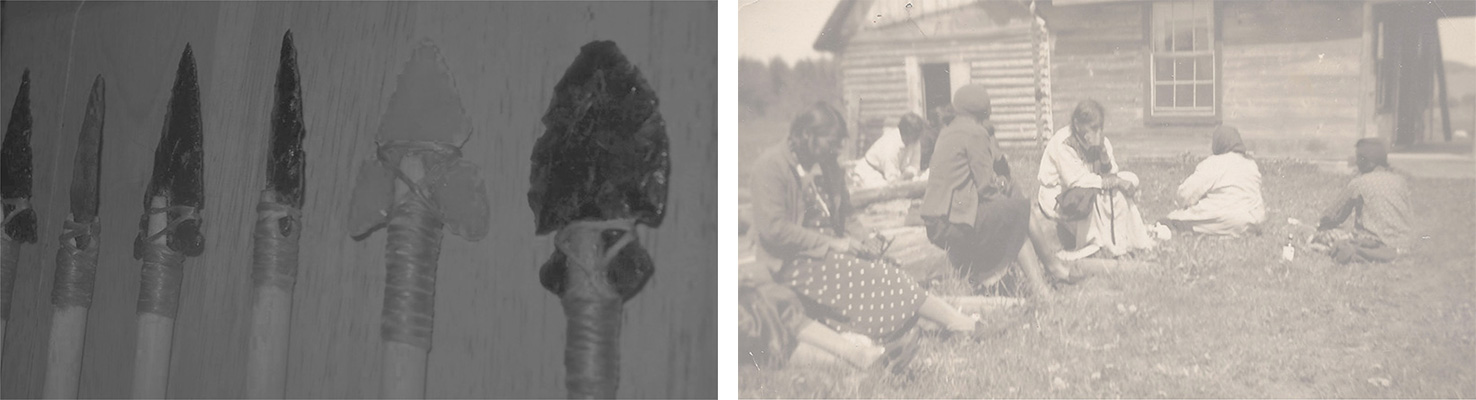
- The Indian Act was created in 1876, which legally put an end to First Nation’s self-governance. The Act’s purpose was to assimilate First Nation’s people into colonized society.
- The Indian Act applies to First Nations people and does not apply to Metis or Inuit people.
- The Indian Act is not part of any Treaty made between First Nations and the Crown.
- Indian Agents were appointed to enforce the Indian Act. Indigenous People needed the Indian Agent’s permission to do many things, even to leave the reserve.
- The Indian Act determines who is eligible for Indian Status.
- In 1884 Residential School attendance became mandatory under the Indian Act. Children were forcefully separated from their families and banned from speaking their language. The last Residential School closed in 1996. Parents who did not send their children to Residential school were fined or jailed.
- In 1885 it became illegal for Indigenous People to participate in ceremonies, powwows, and other spiritual practices.
- Under the Indian Act, First Nation’s lost their right to determine their own membership.
- The Indian Act banned Indigenous People from leaving their Reserve without a permit or enfranchisement.
- Any Indigenous Person who earned a degree was automatically enfranchised (lost status).
- First Nation’s people who lived off Reserve for more than 5 years were enfranchised.
- An Indigenous woman would be automatically enfranchised upon marriage to a white man or a non-status man (who had been enfranchised). Any children born of such a marriage were automatically enfranchised as well. A non-status women who married a man with Indian Status, would gain Indian Status along with their children. Although some changes have been made to legislation, the effects of past enfranchisement within families still have an effect on who is eligible for Indian Status today.
- In 1925 dancing become illegal for Indigenous People, even on Reserve.
- Indigenous People were banned from hiring lawyers from 1927 to 1951
- In 1960 Indigenous People gained voting rights.
- In 1985 Bill C-31 come into effect, and women who married non-status men no longer lost status. Women who gained status through marriage to a status man, kept their status. Women who lost status were able to regain status but were still given an inferior class of status; C1(c) status as opposed to men, who were given C1(a) status.
- There was a long span of time prior to 1985, where many indigenous families did not have status and were persecuted for doing things such as fishing, hunting, and trapping.
- In 2011 Bill C-3 came into effect, which granted status to the grandchildren of women who regained status due to loss of status from a marriage to a non-status man prior to 1985. However, inequities still remain for many women who lost status, as their children still cannot pass status down if they were born after 1985, or if a women was enfranchised for a reason other than marriage, or if her child was born out of wedlock.
Please take the time to watch the following video explaining the Indian Act.
For further insight into the future of the Indian Act please watch: