1 – History and Background
Lac des Mille Lacs First Nation (LDMLFN) is an Ojibwe First Nation signatory to Treaty #3 under the Shebandowan-Adhesion in 1873. The Ojibway name for Lac des Mille Lacs First Nation is Nezaadiikaang, which means place of the poplars. Lac des Mille Lacs First Nation is comprised of two separate and distinct parcels of land. LDMLFN Reserve 22A1 consists of 1,518 hectares and is located on Lac des Mille Lacs approximately 135 km west of Thunder Bay, Ontario. LDMLFN Reserve 22A2 consists of 3,430 hectares and is located approximately 20 km west of the township of Upsala, Ontario and on the banks of the Firesteel and Seine Rivers. The First Nation is governed by a duly elected Chief and Council. The current population of registered Band Members is 660.
“The People of the Lac des Mille Lacs First Nation have been separated from their homes, Traditional lands, and their Reserves due to forced abandonment. Extensive flooding forced the membership to abandon their homeland at three distinct flooding periods, with the last one occurring during the mid 1950’s. Most have never lived on the Reserve and are dispersed throughout Canada and the United States.”
“The Lac des Mille Lacs Ojibwe saw their lands flooded by dams since the building of the Dawson Dam during the construction of the Dawson Trail and the Red River Road in 1872. Flooding would continue to affect the people of the LDMLFN with the building of the Bakus Dam in the 1920’s and the Ontario hydro Dam in the 1950’s. For the Lac des Mille Lacs Ojibwe, who were exposed to repeated and cumulative flooding from these dams, their continued occupation of their Reserve Lands became impossible. They were forced from their Lands.” – Joan Lovisek, Historian
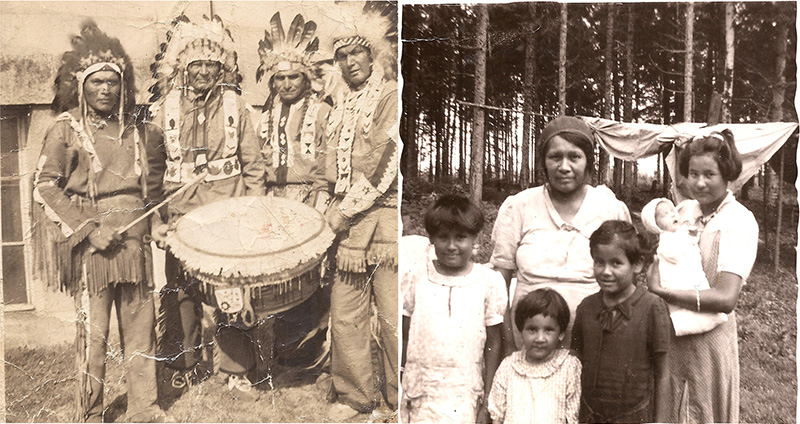
The flooding of Lac des Mille Lacs caused water levels to raise 10 Feet which caused widespread ecosystem destruction that affected the land, animals, and people of LDMLFN. Farming lands were flooded, homes were destroyed, and widespread erosion occurred. Wild rice disappeared and has only begun coming back within the last 10 years. Trapping species declined. Grave sites were flooded. Shorelines became hazardous and unnavigable. Flooded trees, shrubs, and plant materials caused leaching in the lake, turning water to the colour of tea. The lake remains tea coloured to this day.
When the people of Lac des Mille Lacs left their reserve lands, they settled in other areas across Northwestern Ontario, often on their trapping grounds, or in other places families had cultural or familial ties to across the Traditional Territory.